


1. Lake Waikaremoana
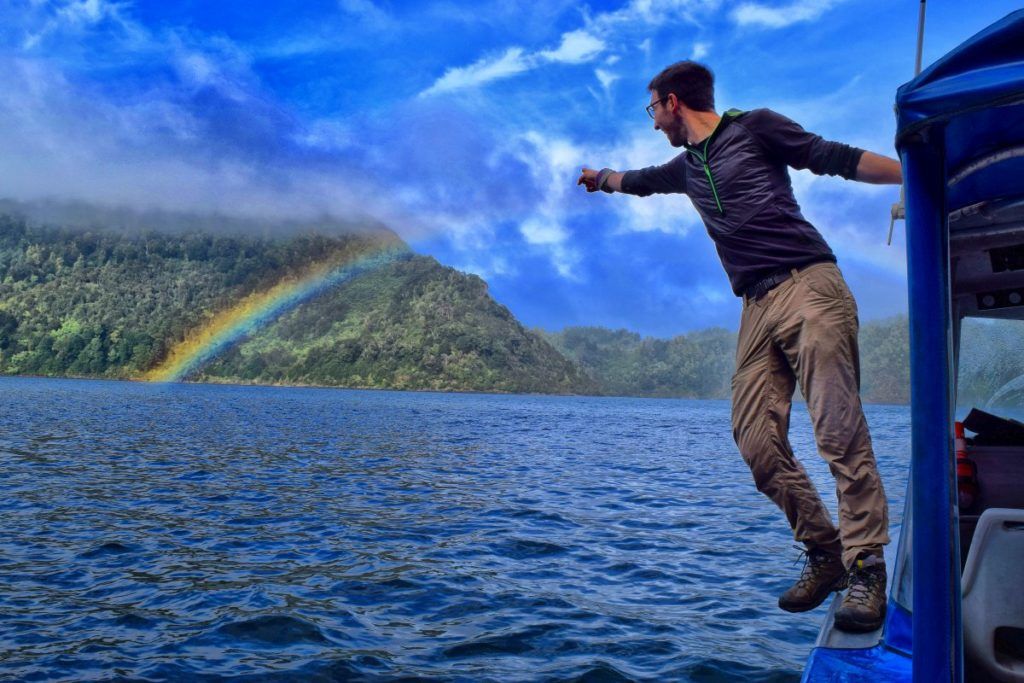
In the heart of the Te Urewera Rainforest, Lake Waikaremoana is one of Hawke’s Bay’s most spectacular wilderness destinations.
Surrounded by dense native forest, waterfalls and remote mountain scenery, the lake is best known for the Lake Waikaremoana Great Walk, a 46 km (29 mi) backcountry tramping route that is described as more off-the-beaten-track than other Great Walks.
Discover caves, get out on the water to explore the underwater petrified forest and stay in the Department of Conservation huts where hut wardens can share the local Māori legends of the area.
It’s a true wilderness experience. For more information, check out our Te Urewera Guide.
Location: Te Urewera
 © NZPocketGuide.com
2. Te Mata Peak
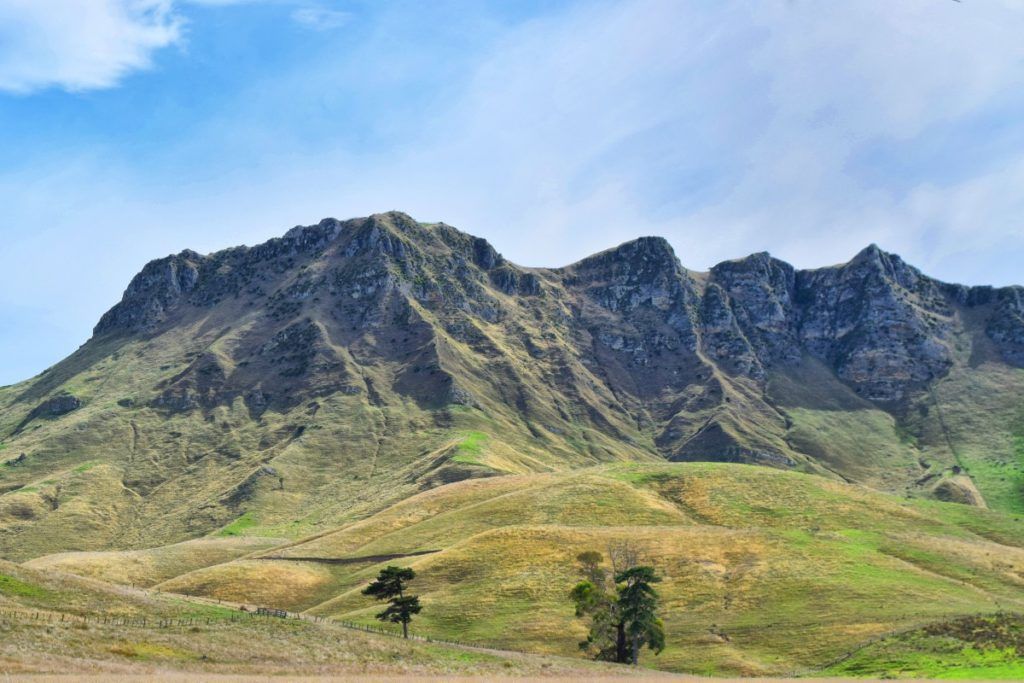
Walk, cycle or drive up to the amazing vantage point of Te Mata Peak. Rising 399 m (1,309 ft) above sea level, this iconic summit offers panoramic views stretching across the Heretaunga Plains, Napier, Hastings and the coastline (on clear days, you can spot Māhia and Cape Kidnappers in the distance).
The walking track starts off in the redwoods and leads to the summit, where you’ll enjoy 360-degree views over Hawke’s Bay. The surrounding Te Mata Park also features walking tracks, native plantings and distinctive limestone landforms with strong Māori cultural associations.
Sunrise and sunset are especially rewarding times to visit, with golden light sweeping across the vineyards and rolling hills below. Find out more in 10 Wonderful Walks in Hawke’s Bay.
Location: Havelock North
 © NZPocketGuide.com
3. The Mahia Peninsula
Embrace the stunning coastline of the Mahia Peninsula. Sandy coves, rocky bays and long surf beaches wrap around this hilly promontory between Poverty Bay and Hawke’s Bay. The peninsula offers swimming, surfing, fishing, beach walks and coastal photography opportunities, with Māhia Beach serving as a relaxed, family-friendly base for exploring the area.
Māori tradition identifies Māhia as Te matau a Māui (the fish-hook of Māui), adding cultural depth to the dramatic coastal scenery. If you are lucky, you may even see a rocket launch from Rocket Lab. You won’t regret the detour off the main tourist route!
Location: Northern Hawke’s Bay
 © NZPocketGuide.com
4. Morere Hot Springs Scenic Reserve
Hidden within one of the southernmost lowland rainforests in the North Island, Morere Hot Springs Scenic Reserve offers short walking tracks winding beneath towering tawa, nīkau palms and tree ferns. Interpretive signs highlight the area’s unique flora and birdlife, including native species like tūī, kererū and fantails.
The main attraction here is the naturally heated mineral pools, where you can relax after exploring the surrounding bush. The warm geothermal water has drawn travellers for more than a century.
Location: Morere, Northern Hawke’s Bay
 © NZPocketGuide.com
5. Shine Falls
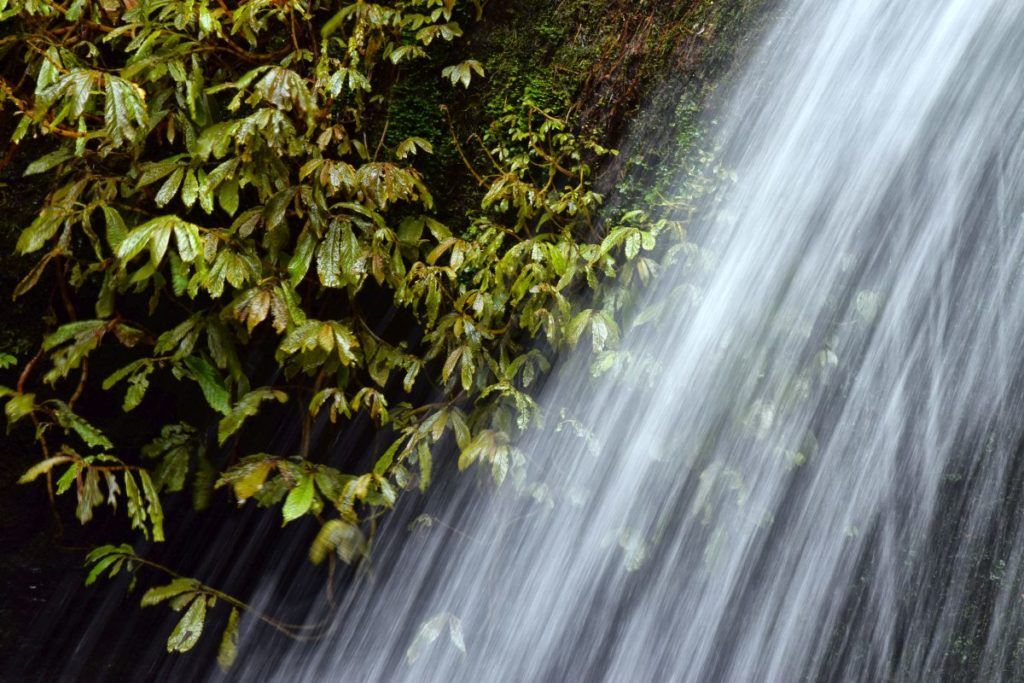
Get well off the beaten track to discover Shine Falls, the highest waterfall in Hawke’s Bay at 58 m (190 ft). An easy to moderate walking track (1.5 to 2 hrs return) takes you through farmland and lowland forest full of birdlife, crossing swing bridges over Heays Stream and passing beneath limestone cliffs.
The lush vegetation and birdsong make the journey enjoyable before the impressive cascade comes into view. A popular option is to bring your swimwear (or togs, as we say in New Zealand) for a dip in the pool below. After heavy rain, the falls become even more dramatic as water plunges down the rock face.
Location: Tutira, Wairoa
 © NZPocketGuide.com
6. Ocean Beach
There are many stunning beaches in the Hawke’s Bay area (we actually name a bunch of them in 10 Beautiful Beaches in Hawke’s Bay), but a standout is Ocean Beach. The beach stretches for kilometres, with golden sand backed by rolling dunes and rugged cliffs that make for dramatic coastal scenery.
Despite being just a short drive from Havelock North, Ocean Beach feels wonderfully remote. It’s a favourite with surfers, fishermen and anyone who fancies a long walk along the coast; photographers love the sweeping Pacific views and clifftop vantage points.
The beach is ideal for picnics and lazy afternoons by the sea during summer, though you’ll want to be cautious with swimming due to strong currents.
Location: 20 km (12 mi) south of Havelock North
 © Phillip Capper
7. Maraetotara Falls
Yes, another waterfall makes another stunning natural attraction in Hawke’s Bay! Maraetotara Falls is a short detour up Maraetotare Road where a refreshing natural swimming hole awaits beneath a 15 m (49 ft) cascade tumbling over rocky cliffs.
A quick walk from the roadside through towering trees and lush native bush leads you to the Maraetotara River and its multi-tiered falls.
During the warmer months, locals flock here to cool off; adventurous visitors often jump from the surrounding rocks into the deep pool below (just check the water depth and conditions first).
Even if you’d rather stay dry, it’s an excellent spot for a picnic surrounded by tranquil bush.
Location: Havelock North
 © PDTillman
8. Peka Peka Wetlands
A great place to see some of the most endangered and fascinating wetland birds in New Zealand is at the Peka Peka Wetlands. Just 10 minutes south of Hastings, explore a network of boardwalks and pathways through this vital freshwater ecosystem, once historical hunting and fishing grounds for the local Māori.
The wetlands are part of an ancient peat swamp believed to have formed around 9600BC (one of the oldest in New Zealand), now restored as a sanctuary for native species.
Interpretive panels along the way explain the ecological restoration that’s transformed these marshes, ponds and reed beds into thriving habitat for pūkeko, paradise shelducks, shags and migratory wading birds.
The flat, accessible tracks make this a rewarding spot for birdwatchers, photographers and visitors of all ages.
Location: Hastings
 © Rudolph89
9. The Mohaka River
Not only is the Mohaka River a top white water rafting destination in New Zealand, but it is also a breathtaking natural attraction in Hawke’s Bay. This wilderness river carves through spectacular forested gorges and steep hill country, protected as a Wild and Scenic River for its outstanding natural beauty.
The steep river gorges make for scenic white water rafting trips with Raft Fish NZ, with options ranging from scenic floats to exhilarating Grade 5 rapids. Ancient sea fossils can be seen embedded in the river rocks along the way.
Away from the rapids, native forest lines much of the river’s course, offering opportunities for walking and wildlife viewing.
You’ll discover caves, waterfalls and sensational views on a rafting trip or enjoy the scenery from one of the Department of Conservation campsites.
Location: State Highway 2, Northern Hawke’s Bay
 © NZPocketGuide.com
10. Cape Kidnappers
Cape Kidnappers is one of Hawke’s Bay’s most spectacular coastal landmarks, where towering sandstone cliffs reveal millions of years of geological history.
The vivid rock faces display distinct layers of ancient marine sediments and fossils, making it a fascinating destination for geology enthusiasts.
The headland is best known as home to the world’s largest accessible mainland colony of Australasian gannets. During the breeding season (approximately September to April), thousands of these striking seabirds can be seen nesting, soaring overhead and plunge-diving into Hawke Bay.
You can either walk to Cape Kidnappers at low tide or take a guided tractor or 4WD tour.
Location: Te Awanga, Hastings
 © NZPocketGuide.com


