Funniest Place Names in New Zealand
Maoris and Europeans alike have clearly had a whale of a time naming some of the towns, rivers and ski fields in New Zealand. While some place names are just hilariously long, others can be interpreted as pretty funny from an English-speaking perspective. Likewise, the meaning of some of the Maori names is interesting, to say the least. Don’t you wish you came from a place called “Burnt Penis”? Anyway, here are some of the funny place names in New Zealand!
For more pleasingly random stuff about NZ, visit: New Zealand in Numbers and 10 Things You Did Not Know About New Zealand.
A note before we begin: This article is meant to be taken in jest, it is not intended to insult any cultures or places, it is simply meant in the spirit of having a bit of fun with the little things. Please, do not take it too seriously, it’s just a little fun.
Table of Contents
1. Whakapapa
Whakapapa is a village and ski field on the slopes of Mt Ruapehu. As ‘Wh’ is pronounced ‘f’ in Maori, when this word is pronounced to an English-speaker, the ski field seems to be implying sexual acts with one’s parent. Rest assured, in the Maori language, te reo Maori, Whakapapa means genealogy.
© Penny Egleton - Tourism NZ2. Whakahoro
On the subject of whaking, this is slightly more acceptable, as it goes with the job description. Whakahoro is on the edge of the stunning Whanganui National Park.
© James Shook on Wikipedia3. Taumatawhakatangihangakoa uauotamateaturipukakapikimanga horonukupokaiwhenuakitanatahu
At 85 letters long, this is the longest place name in the world! See the sign for yourself at Porangahau in Hawke’s Bay. What about using it as your new email password?
© russellstreet3. Hump Ridge Track
More sexual connotations… This time in plain old English.
© Tareen Ellis - Tourism NZ4. Hooker Valley
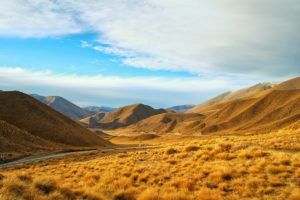
No, this is not a valley of hookers. It is, however, an awesome walk to do in Aoraki Mt Cook National Park.
© Fraser Gunn - Tourism NZ5. Waipu
Why poo? We don’t know, but Waipu is actually a beautiful beach settlement in Northland not too far to some of the best free glowworm caves in New Zealand.
© Bernard Spragg on Flickr6. Tutaekuri River
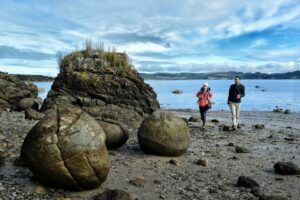
This Maori word translated into English means ‘dog s**t’.
© Pixabay7. Mount Tarawera
While some translate “Tarawera” to “Burnt Spear”, others translate to “Burning Vagina” according to our tour guides…
© NZPocketGuide.com8. Te Urewera
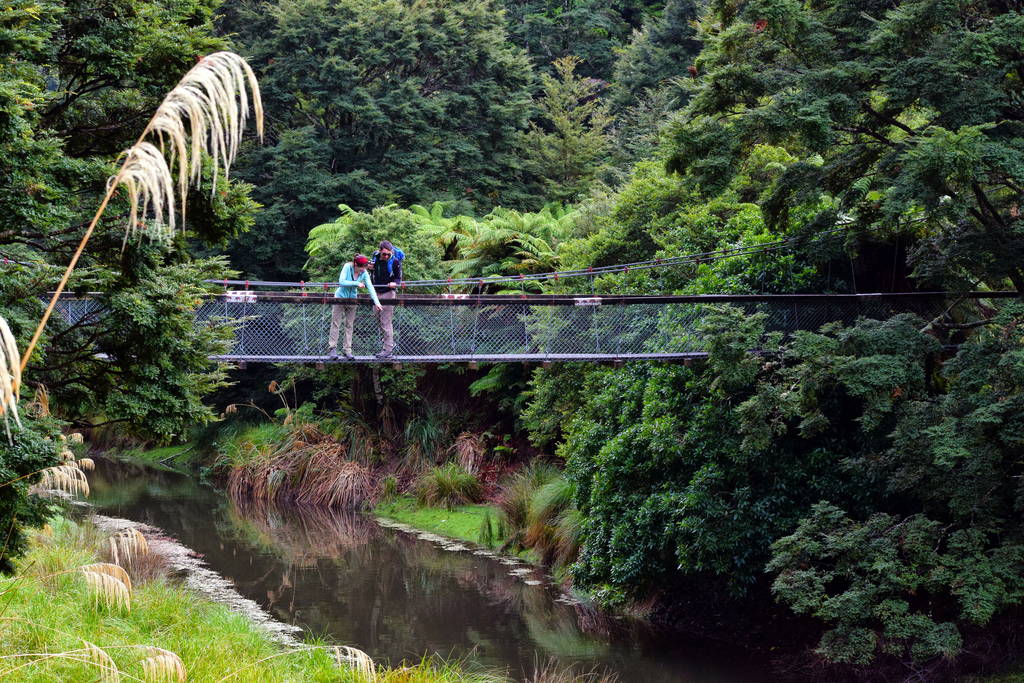
Te Urewera translates to ‘single genitals’ or ‘burnt penis’ after a Maori tale of a chief who rolled too close to a fire while he was sleeping.
© NZPocketGuide.com9. Shag Point
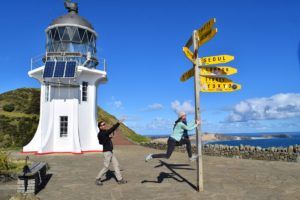
You know where to go… It just makes for a silly picture opportunity.
© travelblog.org10. Cape Foulwind
We like to believe someone let rip as they were naming it. Locals like to believe it’s because this cape receives the winds from Australia. The real story is, the English explorer, Captain Cook, named the cape after experiencing strong winds off its shores.
© NZPocketGuide.comMore About New Zealand
Sources:
The information in this guide has been compiled from our extensive research, travel and experiences across New Zealand and the South Pacific, accumulated over more than a decade of numerous visits to each destination. Additional sources for this guide include the following:
- Tourism New Zealand (General travel advice - Updated [2025])
- Adventure Mark (Health and Safety Audit - Updated [2025])
- Work Safe NZ (Adventure Activities Guidelines - Updated [2025])
- Department of Conservation (Tracks, hikes, campsites and more - Updated [2025])
- AdventureSmart (Know before you go - Update [2025])
- NZ Māori Tourism (Official Māori Tourism platform - Updated [2025])
- Tourism Export Council New Zealand (Tourism trade association - Updated [2025])
- TIA (Independent tourism association - Updated [2025])
- Tiaki Promise (Care for people place and culture - Updated [2025])
- Council websites and freedom camping maps (Local travel advice region by region - Updated [2025])
Our editorial standards: At NZ Pocket Guide, we uphold strict editorial standards to ensure accurate and quality content.
About The Author
Don Benny V. & DOC
This article was supplied by the Department of Conservation (DOC) and reviewed and published by Don Benny.
The DOC is the government agency charged with conserving New Zealand’s natural and historic heritage.
Don is a seasoned travel editor with a deep passion for exploring New Zealand, Asia and the Pacific. Having explored much of New Zealand’s North Island first-hand, from the cultural heart of Rotorua to the wine country of Wairarapa and the capital charm of Wellington, he brings local insight and a traveller’s eye to every piece he writes. Don Benny’s travel advice is shaped by real experiences, and he loves helping visitors uncover both iconic highlights and hidden gems throughout Aotearoa.